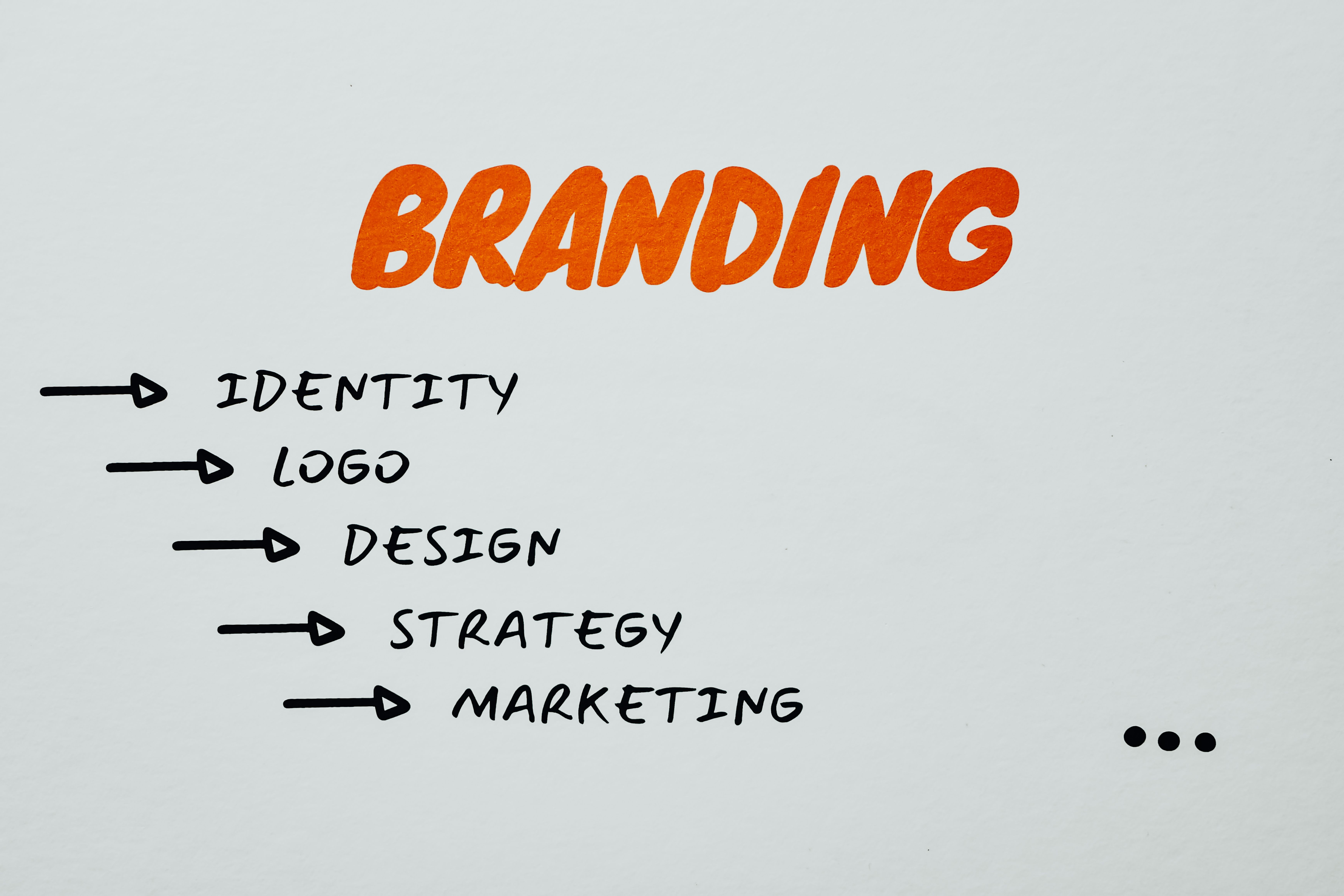

Needlessly torn between self-expression and the invisible hand of commerce? Let’s begin with a simple, unsettling premise: every time you think you’re choosing brand X, you’re not merely picking a product—you’re selecting an ongoing script about who you are, what you fear, and where you belong. The brand strategist’s work isn’t just about logos, user journeys, or deliverables; it’s about shaping the architecture of appetite itself. And in this architecture, you are both observer and material.
The Hook: Free Will or Framed Taste?
Most of us fancy our tastes as autonomous. We imagine a private theater where our preferences flicker like independent shadows on the screen of choice. Yet the modern consumer, as brands have learned to orchestrate, is a listener in a concert where the conductor is barely visible. We gather a pile of desires—trust, status, safety, belonging—and brands tune them with surgical precision, priming our responses long before we reach for a wallet. The fear of missing out becomes the drumbeat, the promise of fitting in the chorus, and the quiet whisper that our true self is somehow too self-contained to need branding at all—until it isn’t. The terrifying subtext: the very act of choosing has already been anticipated, predicted, and choreographed.
The Dark Architecture: How branding weaponizes the interior life
Branding operates not by overt command but by a delicate, covert architecture of emotion. It learns to read the room inside your skull—the insecurities that hide in plain sight, the cravings you won’t admit aloud, the social scripts you feel compelled to perform. It weaponizes deep human drivers:
- The terror of exclusion: belonging is a terrain you navigate with fear and aspiration, and brands become maps that guarantee entry or banishment.
- The obsession with status: social hierarchies are not just observed; they are internalized as measurements of worth. A brand is a scoreboard you’re invited to trust.
- Hidden vanity: the desire to present a perfected self is exploited by curated identities, filters, and aspirational mirrors that promise better versions of you.
- The desperate need for belonging: we crave communities that echo our self-concept; brands become the social circles that validate or redact our identity.
In this economy of feeling, brands offer a solution to a psychological void they helped to create. The void doesn’t spontaneously appear; it is calibrated, widened, then filled with a product, a ritual, and a narrative. A brand strategist, in the dark, studies these gaps, then architecturally brides them with messages that feel almost therapeutic: you are seen, you are part of something larger, you are finally complete when you adopt this signifier, this ritual, this colorway.
The Paradox of Transparency: The trick that everyone sees
In the modern era, transparency is a buzzword, a badge of honesty. Yet this awareness—knowing you’re being marketed to—does not inoculate you from the effects. The trick works not by trickery alone but by a deeper realignment of the self: even if you know the trick, its logic remains persuasive. Knowing the playbook doesn’t prevent the pull; it reframes it. You may walk through a store or scroll a feed, knowing on some level that the display is engineered, and yet your brain still lights up at the sight of a brand promise that seems to promise you more authentic selfhood than your current life can deliver. The transparency paradox forces a difficult truth: awareness is not immunity. It’s a new form of participation—conscious spectatorship that still gravitates toward the spectacle.
The Deliverables Reimagined: Not just artifacts, but rituals of influence
For a brand strategist, deliverables evolve beyond decks and brand guidelines into the territory of psychological scaffolding. The work becomes about constructing architectures that feel inevitable, not imposed. You are not simply mapping a target audience; you are shaping a lived experience that nudges people toward a chosen identity. Think of the deliverables as:
- A narrative physics of belonging: a framework that explains not just who your audience is, but who they long to be when they align with your brand.
- An emotional architecture: a map of core emotions your brand triggers, the moments that amplify them, and the rituals that sustain them.
- Symbolic grammar: signs, signals, and rituals that cue identity alignment—color as cue, typography as personality, sound as mood—crafted to harmonize with primal concerns.
- Behavioral levers: subtle prompts that guide action while maintaining a sense of voluntary agency.
- Moral weather: a taxonomy of social fears and aspirations your brand amplifies or soothes, ensuring consistency across channels and moments of truth.
The Parable of the Brand Designer as Anthropologist
A brand strategist stands at the edge of the psyche’s marketplace, translating raw human weather into a navigable map for commerce. The role resembles an anthropologist who decodes rituals—how a community tastes, what they fear about exclusion, what signs grant them entry into the in-group. But this is anthropology with leverage: the artifacts are not only cultural; they are profitable. The strategist asks not only what a consumer wants but what a consumer might become if they embrace a brand’s vision. The deliverables become not just strategic documents but enclosures for identity—spaces where belonging is guaranteed by adherence to a carefully drawn script.
The Resolution: A thought-provoking mirror
As you close your notebook and step back from the screen, you confront a question that feels uncomfortably intimate: where does your true self end and the engineered influence begin? Modern consumerism asks you to narrate your life in real-time through the brands you choose. The brand, paradoxically, promises authenticity while engineering desire. The result is a species of constancy—lifestyles that are repeatable across cohorts, rituals that never quite exhaust the longing, identities that can be worn and swapped with the ease of moving between playlists.
What to know, if you’re planning to offer brand strategy
– You are not merely a creator of logos. You are an alchemist of perception, shaping how people feel about themselves when they encounter a product.
– Your deliverables should illuminate not just “what to say” but “what to become.” Guide clients toward meanings that clients’ audiences will inhabit as if they were innate.
– Expect ethical scrutiny. The power to sculpt identity carries responsibility: where do you draw the line between guidance and manipulation? The best strategists acknowledge the gravity and choose transparency, consent, and welfare as coordinating principles.
– Your work will be haunted by questions of belonging and exclusion. Expect tension between inclusive aspirations and the environments brands unintentionally create.
– The most enduring brands are not the loudest but the most seamlessly integrated into the rituals of everyday life—habits, micro-moments, and shared codes that feel native to the audience.
A Closing Vision
In the dim corridor where commerce and consciousness brush shoulders, branding ceases to be merely a business function and becomes an ontological project: a discipline that asks who we are when we buy what we buy, and who we become when we belong to a tribe that promises to reflect our deepest yearnings back to us with flawless clarity. As you build your practice, remember: the brands you help to shape are not simply objects in the world. They are mirrors that refract fear, longing, and the longing to belong into currencies we exchange with every purchase. And so the question you’ll carry forward isn’t solely “What does a brand strategist do?” but “What parts of me am I consolidating into the brands I choose to live by?”
If you’re drawn to this unsettling vantage—where design, psychology, and market dynamics converge into a haunting anatomy of desire—your path as a brand strategist isn’t about escaping the complexity. It’s about navigating it with courage, clarity, and a relentless commitment to questions that don’t yield easy answers. The curtain, once pulled back, reveals not just the mechanics of branding but a mirror of the human condition: exquisitely engineered, transparently present, and forever negotiating the boundary between free will and designed influence.